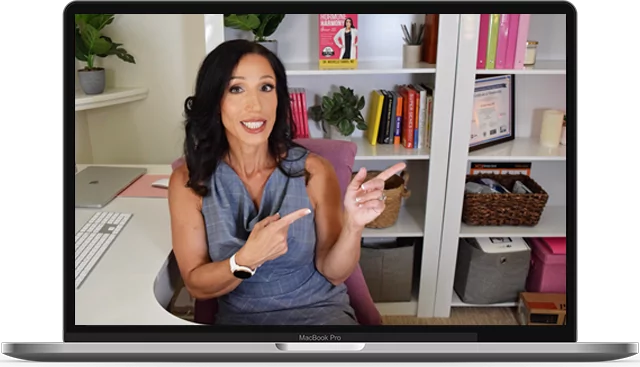


I was 20 years old and a college athlete when I was first diagnosed with primary ovarian failure — the beginning of what would become a lifelong journey with hormonal health. Years later, after becoming a naturopathic physician and spending two decades specialising in women's hormones, I realised something that stopped me in my tracks: even with all of that training and personal experience, I had still almost missed the early signs of my own perimenopause transition. If it happened to me, it is happening to millions of high-achieving women who are too busy, too resilient, and too well-trained to recognise the signals their bodies are sending.
The High Performer's Blind Spot
High-performing women are exceptionally good at pushing through. We interpret fatigue as a sign we need to train harder. We attribute brain fog to a demanding schedule. We explain away mood changes as stress. This capacity for resilience — which serves us so well in every other area of life — becomes a liability when it comes to hormonal health, because it delays recognition and intervention by years, sometimes decades.
Perimenopause Starts Earlier Than You Think
Most women believe menopause happens in their early 50s and that perimenopause is a brief transition. The reality is that hormonal fluctuations can begin as early as the mid-30s, and the perimenopausal transition averages 7–10 years. That means women can spend the most productive decade of their professional lives operating with a compromised hormonal foundation — without ever connecting the dots.
The Symptoms We Rationalise Away
Disrupted sleep that we blame on stress. Decreased exercise recovery that we attribute to aging. Heightened anxiety that we manage with more meditation. Reduced libido that we explain as relationship fatigue. Each of these, in isolation, seems manageable. Together, they paint a clear picture of perimenopause — but only if you know what you are looking for.
What I Wish I Had Done Sooner
I wish I had tracked my cycle more carefully in my late 30s. I wish I had run a comprehensive hormone panel at 38 rather than 43. I wish I had understood that my athletic performance decline was hormonal, not a training problem. The earlier you identify the hormonal shift, the more options you have — and the more of yourself you get to keep.
"The women who are most likely to miss perimenopause are the same women who are most likely to power through it — and pay the price in their 50s and 60s. Early identification changes everything."
— Dr. Michelle Sands, Founder · Glow Natural Wellness
If you are a high-achieving woman in your late 30s or 40s and something feels off, trust that instinct. Explore Dr. Michelle Sands' comprehensive hormone assessment through Glow Natural Wellness.